
uPVC respraying · DIY vs professional · cost guide
DIY uPVC Spray Paint Kits vs a Professional Respray: What's the Real Difference
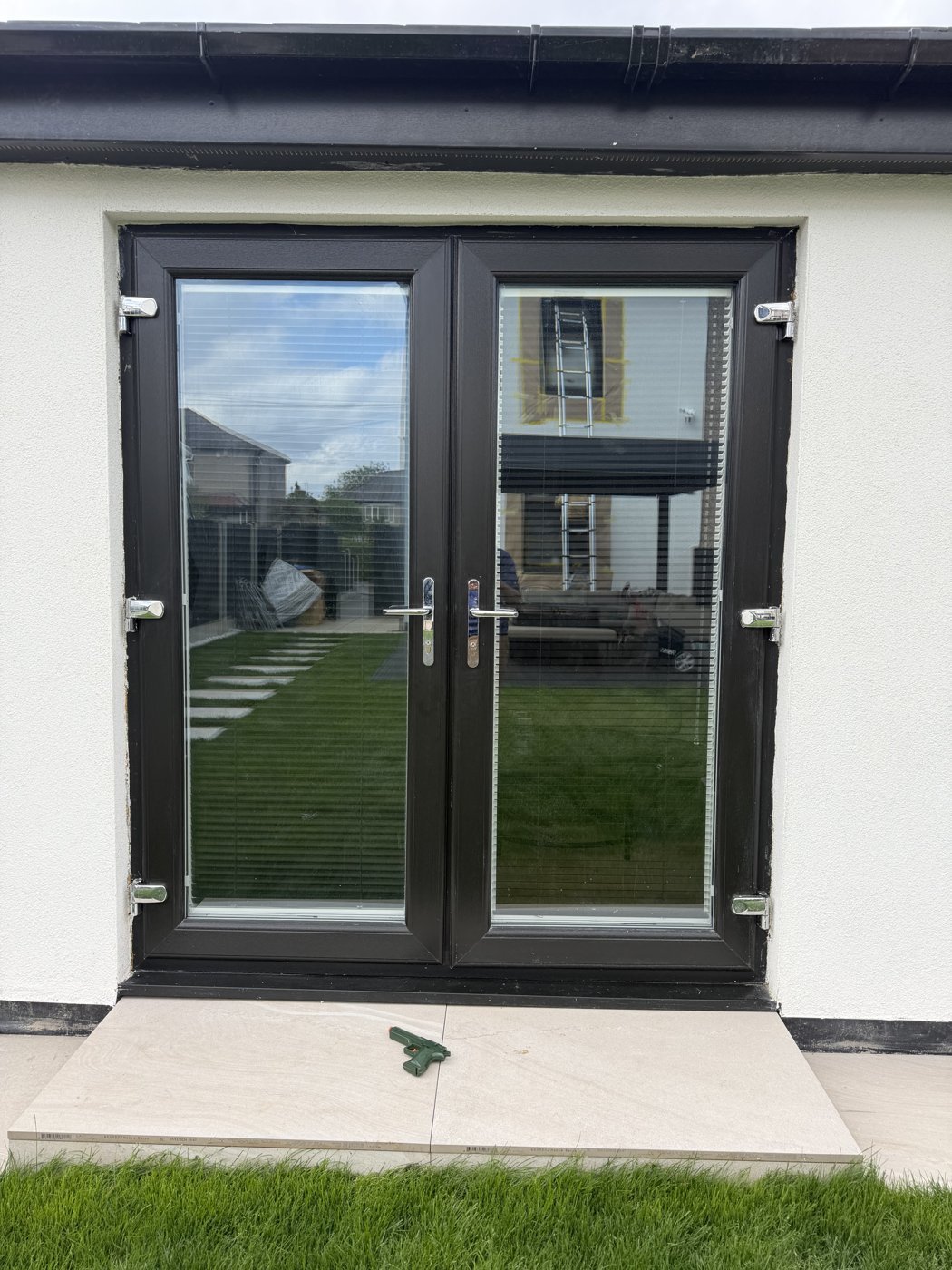
A DIY kit can work well for a single small scuff or scratch. For a full set of windows and doors, a professional respray gives you a far more even, longer-lasting finish, and it’s less hassle than it looks. Here’s the honest version, including the bit where DIY is genuinely the right call.
Where DIY Kits Make Sense
For a small scuff, a scratched handle, or touching up a single discoloured panel, a DIY aerosol kit can do a perfectly reasonable job. It’s low-risk, low-cost, and if it goes slightly wrong on one small area, it’s not a disaster.
Where They Struggle
Spraying an aerosol by hand doesn’t give you the same even atomisation as proper spray equipment, so full frames tend to come out with visible variation: thicker in some spots, thinner in others, occasional drips on vertical surfaces. Most retail uPVC paints also aren’t the same flexible, UV-stable formulation used in professional-grade coatings, so even a neatly applied DIY job tends to chalk, fade or chip sooner. And masking an entire house’s worth of windows and doors properly, by yourself, while also trying to spray evenly, is a genuinely difficult two-person job done solo.
The Real Trade-Off
A DIY kit costs very little and can work for one panel. A full house respray is a bigger investment, but you’re paying for consistent coverage across every frame, a coating built to last years rather than one season, and the time you’d otherwise spend doing it yourself over a weekend with uncertain results.
If you’re on the fence, send us a photo of what you’re considering. Sometimes the honest answer really is “grab a tin and do it yourself,” and we’ll tell you when that’s the case rather than talking you out of it.
Ready to get a free quote?
WhatsApp Us