
kitchen spraying · cost guide
Kitchen Cabinet Respray vs New Doors: Which Actually Saves You More?
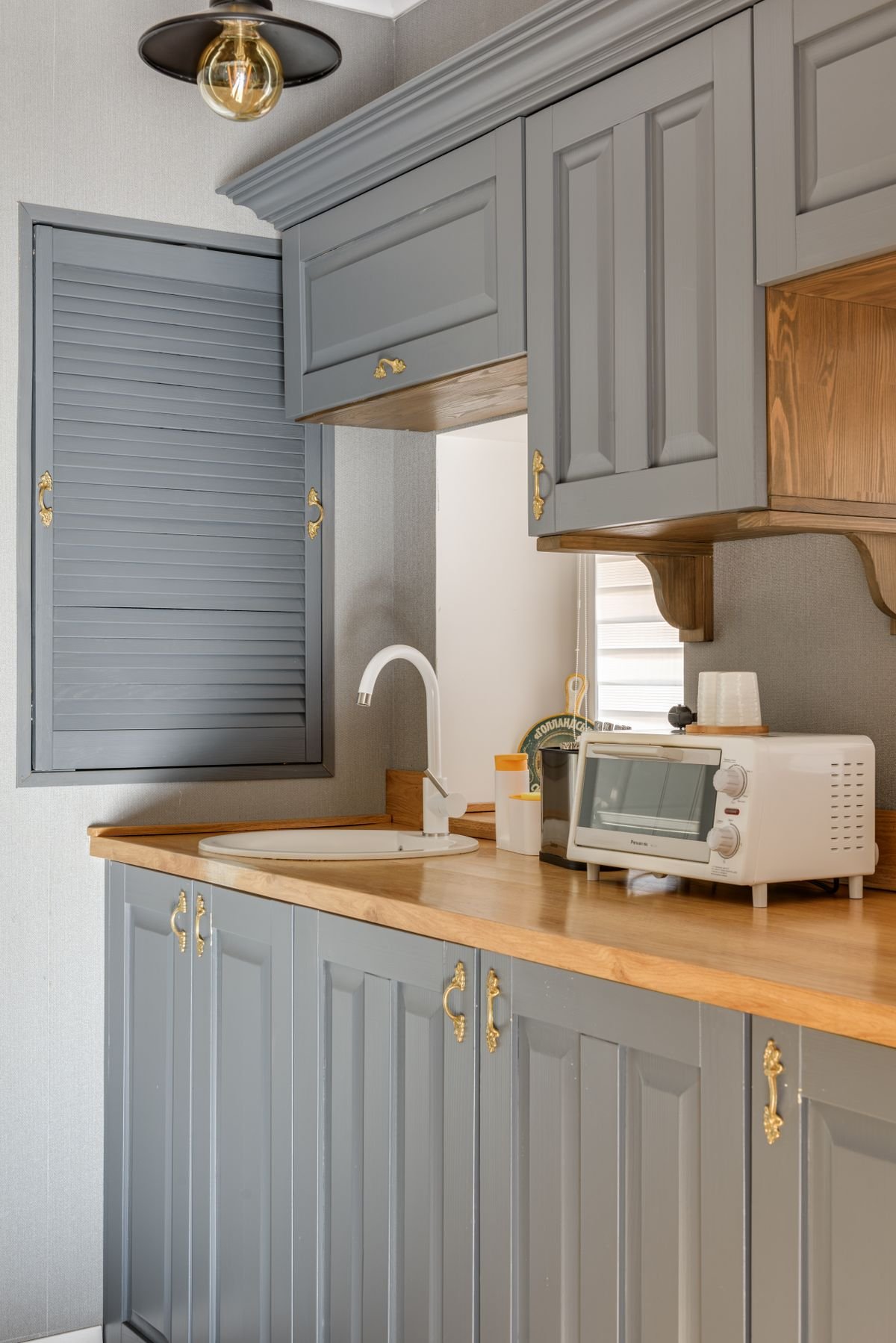
If your cabinets are structurally sound and it’s just the finish that’s tired, respraying is almost always the cheapest and fastest route, usually a few days rather than weeks, at a fraction of either replacement option. Here’s how all three options actually compare on cost and hassle.
Full Replacement
New carcasses, new doors, new worktops if you want them to match: this is the most expensive route by a wide margin, and it usually means a kitchen-less week or more while it’s fitted. It makes sense if the layout itself needs to change, or the carcasses are genuinely damaged.
New Doors Only
Keeping your existing cabinet boxes and ordering new doors and drawer fronts sounds like the budget middle ground, but once you factor in made-to-measure pricing and fitting labour, it’s often closer to full-kitchen cost than people expect, especially if your current door profile has been discontinued and everything needs custom-matching.
Respraying What You Have
This keeps your carcasses, hinges and handles exactly as they are, and transforms just the visible surfaces (doors, drawer fronts, end panels) to a smooth, factory-look finish in any colour you want. There’s no waiting on custom orders, no risk of a door profile not quite matching, and most kitchens are done within a few days rather than weeks.
When New Doors Actually Make More Sense
If you want to change the door style itself (shaker to flat-panel, say), or the doors are warped, water-damaged, or have failed hinges beyond adjustment, no amount of spraying fixes that. That’s a genuine case for replacement doors instead.
For the majority of kitchens we’re asked to quote, the cabinets themselves are completely sound and it’s purely the finish that’s dated. That’s exactly the gap a respray is built to close, at a fraction of either replacement option.
Ready to get a free quote?
WhatsApp Us