
uPVC respraying · prep & process · durability
uPVC Spray Paint Peeling or Cracking: Causes, and How Proper Prep Avoids It
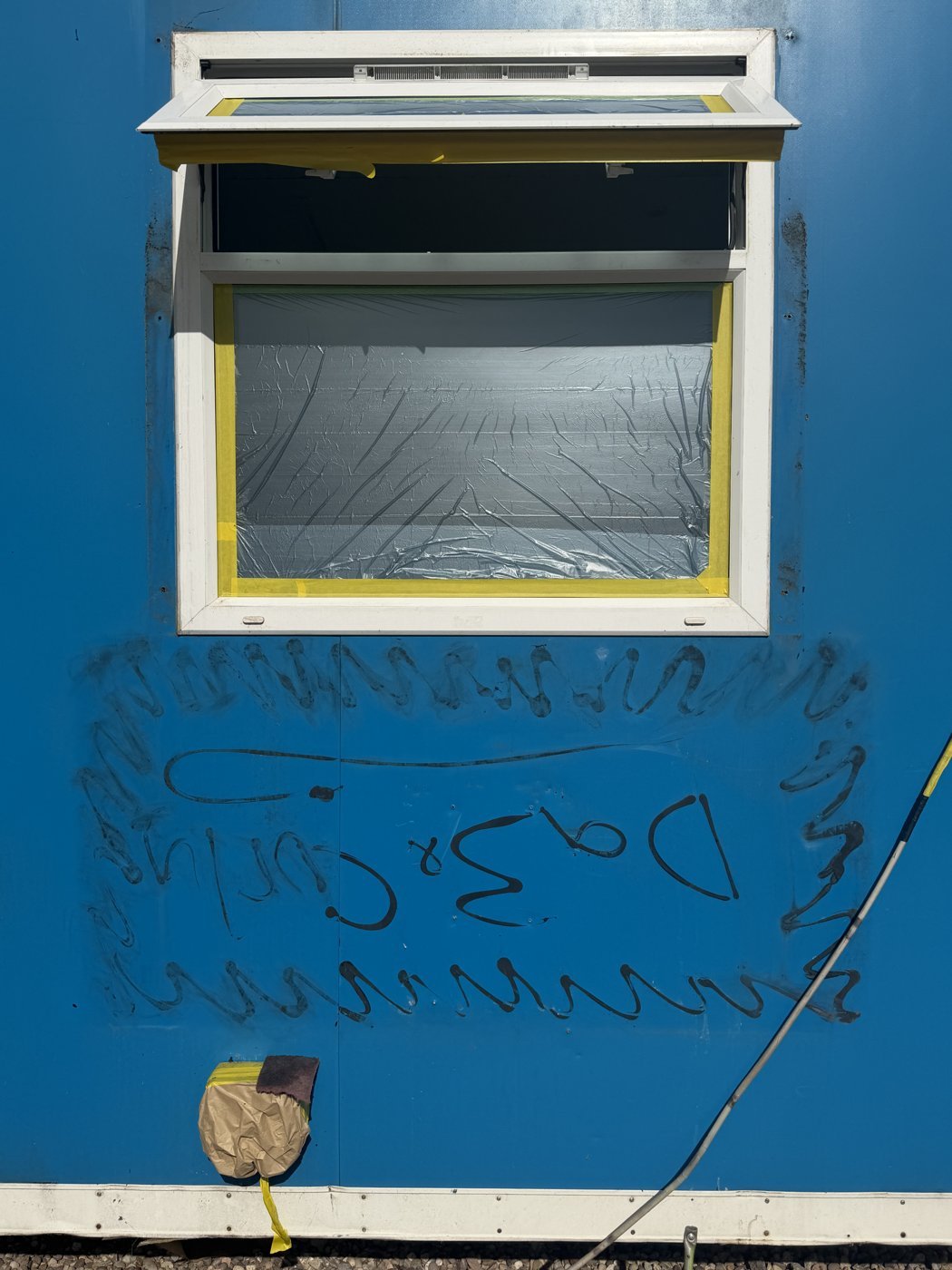
A respray that starts peeling or cracking within a year or two gives the whole method an unfair reputation: unfair because, almost without exception, the failure traces back to a skipped prep step rather than anything wrong with spraying uPVC as a process. Here’s what actually causes it.
Silicone and Polish Residue
uPVC frames build up an invisible film from window cleaner, silicone sealant residue and general airborne grime over the years. If that’s not properly degreased off before the surface is abraded, the new coating ends up bonding to a layer of residue rather than the uPVC itself, and a coating bonded to grime doesn’t stay put for long.
Skipping or Rushing the Key Coat
uPVC is smooth and slightly flexible by design, which is exactly why paint doesn’t want to grip it naturally. Lightly abrading the surface creates a physical “key” for the primer and topcoat to lock into. Skip this, or rush it, and you get a coating that looks fine on day one and starts lifting at the edges within months.
Spraying in the Wrong Conditions
Coatings need a minimum temperature and reasonably low humidity to cure correctly. Spray in damp or cold conditions and the finish can trap moisture underneath, which shows up later as bubbling or a soft, easily-marked surface rather than a hard factory-like finish.
Applying Too Much, Too Fast
A thick single coat looks like it’s saving time, but it cures unevenly: the surface skins over while the layer underneath is still wet, and as it eventually finishes drying it can crack. Multiple thin coats, properly flashed off between passes, is slower but is what actually holds up.
None of this is complicated, it’s just easy to shortcut if someone’s trying to get through a job quickly. We don’t skip any of these steps, which is the actual reason we’re comfortable saying a respray should last 8-10 years rather than hedging that claim.
Ready to get a free quote?
WhatsApp Us